| Category | Statement |
|---|---|
| Science Identity | I see myself as a biology person. |
| Science Identity | I see myself as a science person. |
| Science Identity | I see myself as a scientist. |
| Science Identity | Other people (friends/family) see me as a science person. |
| Science Identity | My science instructors see me as a science person. |
| Career Motivation | Learning science will help me get a good job. |
| Career Motivation | Understanding science will benefit me in my career. |
| Career Motivation | Knowing science will give me a career advantage. |
| Career Motivation | I will use science problem-solving skills in my career. |
| Career Motivation | My career will involve science. |
| Instrinsic Motivation | Learning science is interesting. |
| Instrinsic Motivation | I am curious about discoveries in science. |
| Instrinsic Motivation | The science I learn is relevant to my life. |
| Instrinsic Motivation | Learning science makes my life more meaningful. |
| Instrinsic Motivation | I enjoy learning science. |
| Self-Determination | I study hard to learn science. |
| Self-Determination | I prepare well for science tests and labs. |
| Self-Determination | I put enough effort into learning science. |
| Self-Determination | I spend a lot of time learning science. |
| Self-Determination | I use strategies to learn science well. |
| Self-Efficacy | I am confident that I will do well on science labs and projects. |
| Self-Efficacy | I believe I can earn a grade of 'A' in science. |
| Self-Efficacy | I am confident I will do well on science tests. |
| Self-Efficacy | I believe I can master science knowledge and skills. |
| Grade Motivation | Scoring high on science tests and labs matters to me. |
| Grade Motivation | It is important that I get an 'A' in science. |
| Grade Motivation | I think about the grade I will get in science. |
| Grade Motivation | Getting a good science grade is important to me. |
| Grade Motivation | I like to do better than other students on science tests. |
| Value of Peer Interactions | My college science classes are more enjoyable when I work with other students. |
| Value of Peer Interactions | I understand more when my classmates participate in college classroom discussions. |
| Value of Peer Interactions | I learn best in college science classes when I work with classmates. |
| Value of Peer Interactions | The amount I understand is increased by classmates' ideas in my college science classes. |
| Value of Peer Interactions | When classmates share their ideas in college science classes, this helps me learn. |
| Sense of Belonging | When I am in a science setting, I feel a connection with the science community. |
| Sense of Belonging | When I am in a science setting, I feel respected. |
| Sense of Belonging | When I am in a science setting, I feel comfortable. |
| Sense of Belonging | When I am in a science setting, I trust my instructors to be committed to helping me learn. |
| Sense of Belonging | When I am in a science setting, I enjoy being an active participant. |
| Sense of Belonging | When I am in a science setting, I try to say as little as possible. |
| Competency in Science | I am good at solving complicated scientific problems. |
| Competency in Science | I read websites articles or books about scientific issues. |
| Competency in Science | I work on a project involving scientific concepts. |
| Competency in Science | I think about how my life is affected by science. |
| Community in Science | To what extent is serving the community important to scientific work? |
| Community in Science | To what extent is working with people important to scientific work? |
| Community in Science | To what extent is helping others important to scientific work? |
| Community in Science | To what extent is connecting with others important to scientific work? |
ASMCUE 2023
Medical Experiences’ influence on Gender and PEERs
Welcome to the website for our poster! It is here we will go through some of the traditional aspects of a poster, including the “Introduction”, “Methods”, “Results”, and “Conclusion”. If you have any questions, please do not hesitate to reach out to Porter at portergbischoff@gmail.com !
Abstract
Prior research has investigated the recruitment and retention of certain student identities (like gender (Master 2021), person excluded because of ethnicity or race (PEER) (Museus et al., 2010), and first-generation students (Bettencourt et al., 2020)) in STEM. No research has investigated the impact of having medical experiences on these groups. As such, our research questions were: What percentage of students indicate that they have medical experiences (Research Question #1)? Are medical experiences a benefit or barrier to students connecting and engaging with science? Specifically, do students who have medical experiences have higher or lower science motivation, sense of belonging, and science relevance (Research Question #2)?
Data were collected from 366 students who were taking biology classes ranging from introductory biology for non-majors to advanced biology. All data were collected in a pre-survey/post-survey format. Students were asked if they had a medical experience, defined as: “Have you ever had a medical experience (hospitalization, chronic medical condition, and/or issues with mental, physical, emotional health etc.)?” Surprisingly, 57% of students surveyed reported having a medical experience and 22% reported having a chronic condition, indicating these are indeed an important and large identity to investigate further. At the end of the semester, all students had significantly higher science identity, interest in science, sense of belonging, and value of the relevance of science. However, having medical experiences did not relate to consistent changes in constructs for all students. In contrast, consistent increases in constructs were found for first generation students with medical experiences such as: career value, interest, actions to promote success, self-efficacy, and sense of belonging. Information on the impact medical experiences can have on students from different demographics is crucial to investigate as science instructors modify course content and pedagogy to be more inclusive of all identities in the student population.
Background
Medical experiences can significantly influence perceptions of gender and the well-being of individuals who are socially secluded due to their ethnicity or race. The intersectionality of medical encounters and societal dynamics can shape one’s identity, affecting not only how individuals view themselves but also how they are perceived by others. Gender biases within the medical field can impact the quality of care received, with research indicating that women may face disparities in diagnosis and treatment. These experiences can contribute to the reinforcement of gender norms and expectations, influencing individuals’ self-perception and societal roles. This is not only true in the medical field, but also in the STEM field. Profound differences exists in STEM and gender identity both in education and ion medical experiences.
Moreover, individuals who are socially secluded due to their ethnicity or the rarity of their conditions may encounter unique challenges within medical settings. Cultural competency and understanding are crucial in providing effective care, yet individuals from certain ethnic backgrounds may face misunderstanding or stigmatization. This can lead to feelings of isolation and impact mental health. In some cases, individuals may avoid seeking medical attention altogether, exacerbating health issues. Thus, medical experiences become a key factor in shaping not only the physical well-being but also the emotional and social aspects of those who are marginalized due to their ethnicity or race.
The concept of PEERs (persons excluded due to ethnicity or race) emphasizes the importance of recognizing and addressing the specific needs of individuals who fall into these categories. Medical encounters should be sensitive to cultural nuances and the unique challenges faced by those of a different race or ethnicity. Those differences should be encouraged and supported so that regardless of the environment, they are allowed to flourish. Integrating diversity and inclusion in medical education and science education can foster an environment where individuals from all backgrounds feel understood and valued. Additionally, advocacy for equitable healthcare policies and research that considers the diverse experiences of different genders and ethnicities is essential to reducing disparities and promoting the well-being of all individuals, irrespective of their social or medical circumstances.
In conclusion, medical experiences play a pivotal role in shaping the perceptions of gender and the well-being of PEERs. Addressing gender biases within the medical field and promoting cultural competency can contribute to more inclusive, effective, diverse education and healthcare systems. By acknowledging the unique challenges faced by individuals secluded due to their ethnicity or race, we can work towards healthcare and education systems that value diversity and support unique and valuable experience for all. While this research focuses on STEM education and healthcare systems it must be said that both of those are profound influence on the rest of society. Sandara Day O’Conner said it best, “Society as a whole benefits immeasurably form a climate in which all persons, regardless of race or gender, may have the opportunity to earn respect based on ability.” Opportunity is not equal across the spectrum and those with medical conditions and gender disparities often face issues that others do not, which as Sandra said is something that cannot and should not be allowed.
Motivation for the Project
Porter has had a slew of medical experiences, and these experiences led him to pursue a career path in medicine. While going through his undergraduate experience, preparing for medical school, he found a real passion for science as well as medicine. Because this was relatively late in his education, he wishes that he knew this passion he had before his undergraduate studies. Therefore, this project was born, hoping to find that Porter wasn’t uncommon in his experience and assisting other students understand their passions for science sooner than later. To learn more about how this project became to be, please go to this link!
Methods
We used an adapted survey from other literature to find information regarding STEM motivation. This survey was given pre-semester and post-semester to 14 different Biology courses at Utah Valley University. These classes had students who were both STEM majors and non-majors, as these classes were generally General Education classes. Utah Valley University is an open enrollment institution, making this data an interesting set to explore.
390 students answered the pre/post-semester surveys. We have a large number of pre-semester data, but only 390 responded to both the beginning and end of the semester survey.
Aspects of the Survey
STEM Motivation Questions
Here are the questions that we asked to determine the different aspects of STEM motivation.
Statistical Analysis
We used Pearson Correlations to properly understand the significance data for each of the aspects. We are excited to continue doing analysis on this data set, as we know that we can dive deeper into it.
Technology
SPSS was used to complete the Pearson Correlation. R packages were used, with corrplot to create the correlation plot, waffle to create the demographic plots, and ggplot2, dplyr, and gridExtra to create the pre/post semester change plot.
Results
To see the R code for this, follow this link and this link!
Each block represents 1%, but there are some demographics that have less than 1%. These are identified by 1 block, though they are smaller than the 1%.
Demographics
Major
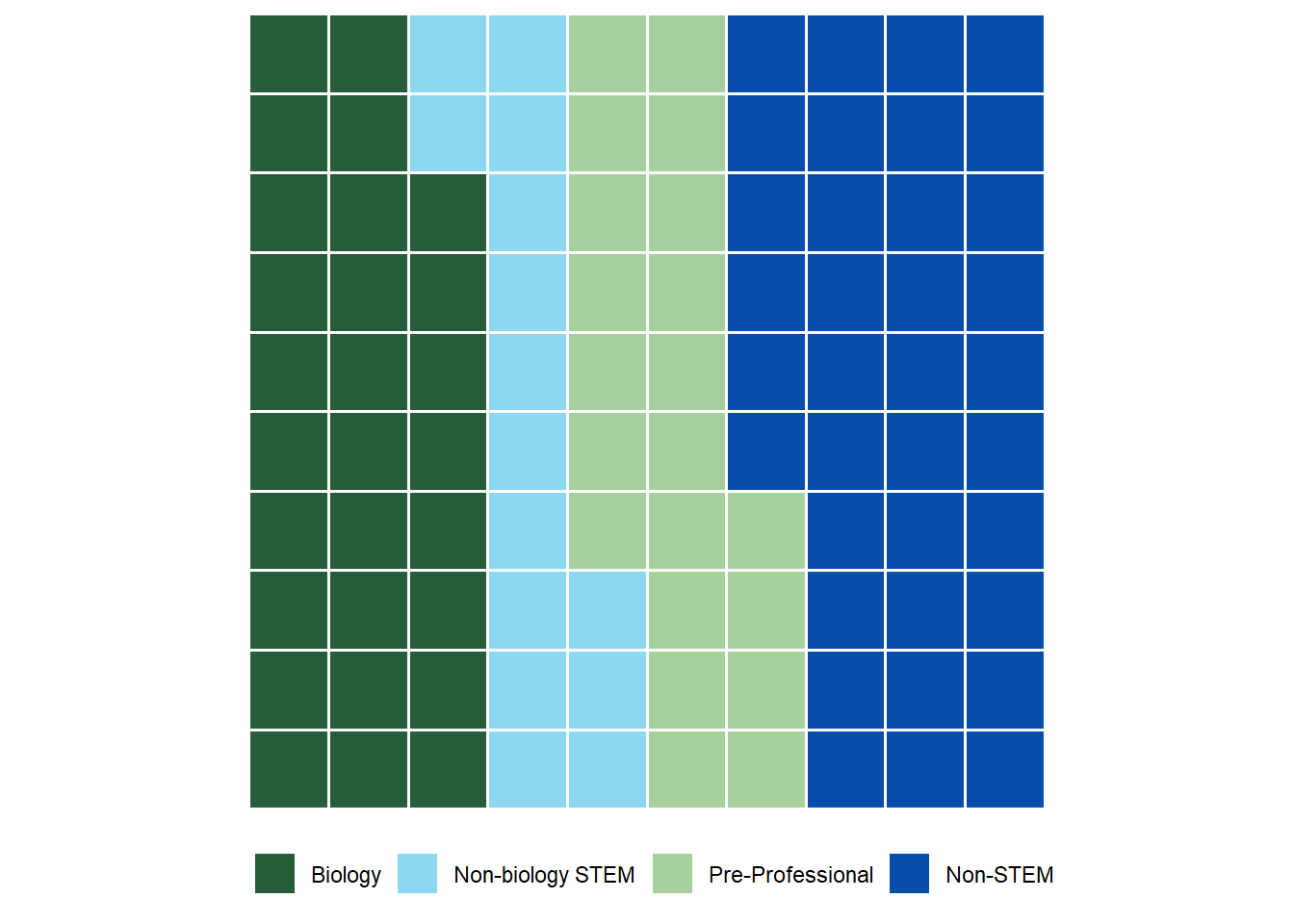
The data indicates the distribution of career aspirations among the respondents. Approximately 29% of them expressed an interest in Biology, while Non-biology STEM fields accounted for around 16% of the responses. Pre-Professional aspirations represented approximately 21% of the respondents, and Non-STEM career paths comprised about 34% of the total aspirations reported.
Year in School
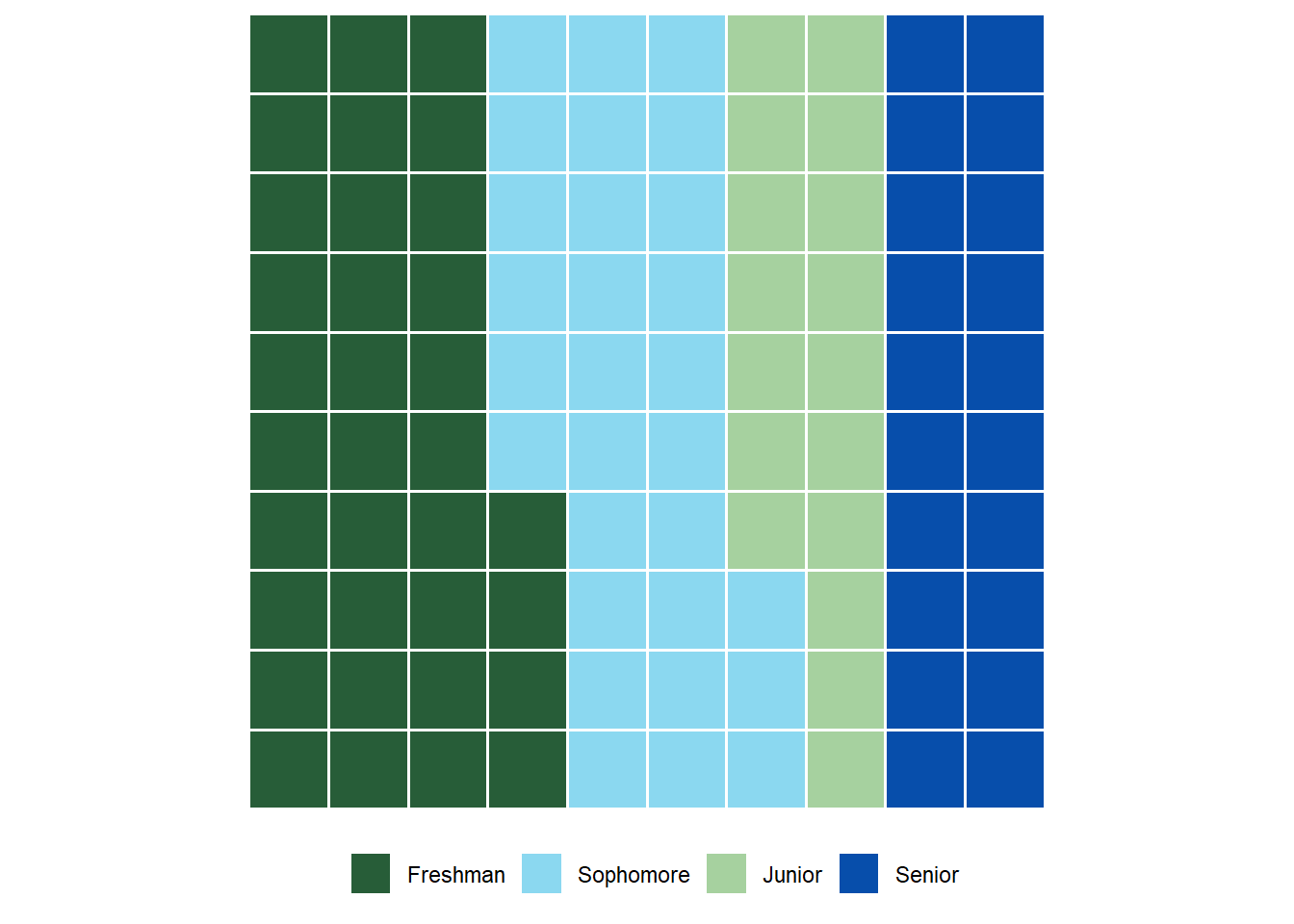
The data represents the distribution of students across different academic years. Among the students surveyed, 36% were Freshmen, 31% were Sophomores, 18% were Juniors, and the remaining 22% were Seniors.
Career Aspiration
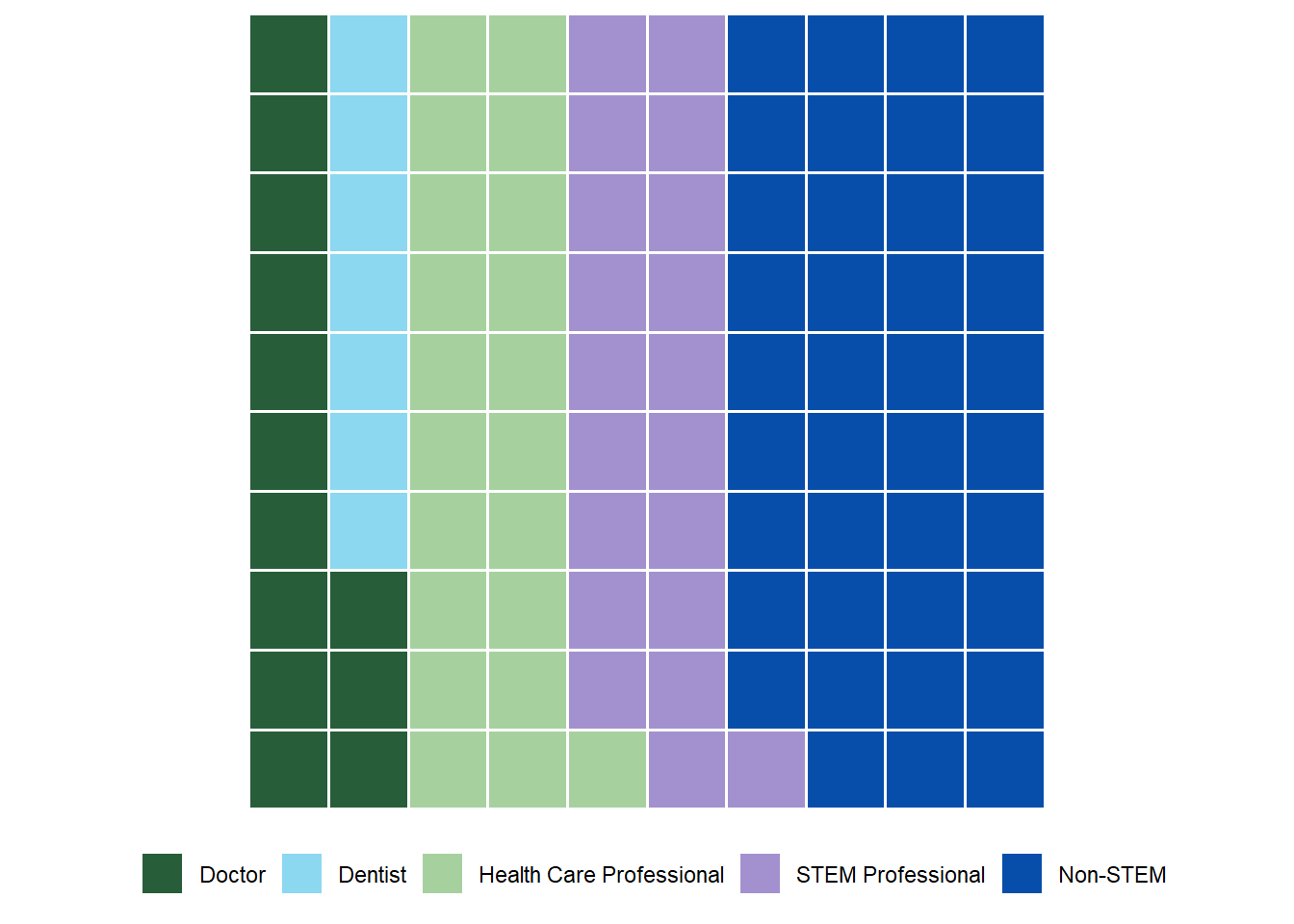
Non-STEM took the largest percent of the graph with 39%. STEM professionals took nearly twenty percent (20%), which was similar to the 21% of those who wished to be health care professionals. Those who wish to be a dentist or a doctor took a combined 20% (with those who wish to be dentists taking 7% and those who wished to be doctors taking 13%).
Ethnicity
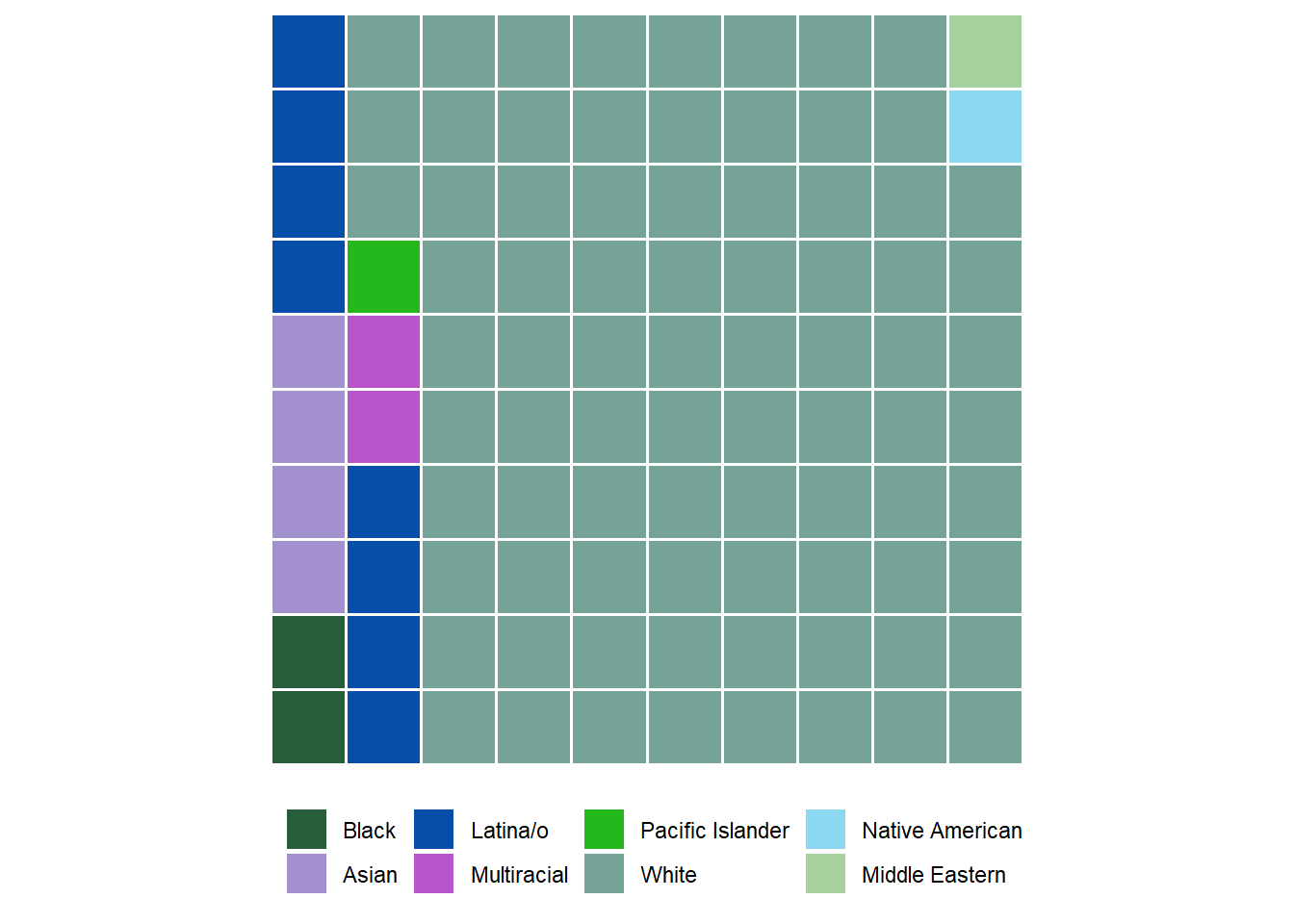
The data illustrates the racial and ethnic distribution of the surveyed individuals. Among the respondents, 1.6% identified as Black, 0.6% as Native American, 0.2% as Middle Eastern, 3.8% as Asian, 6.4% as Latina/o, 1.6% as Multiracial, 1% as Pacific Islander, and the majority, 78.7%, identified as White.
Gender
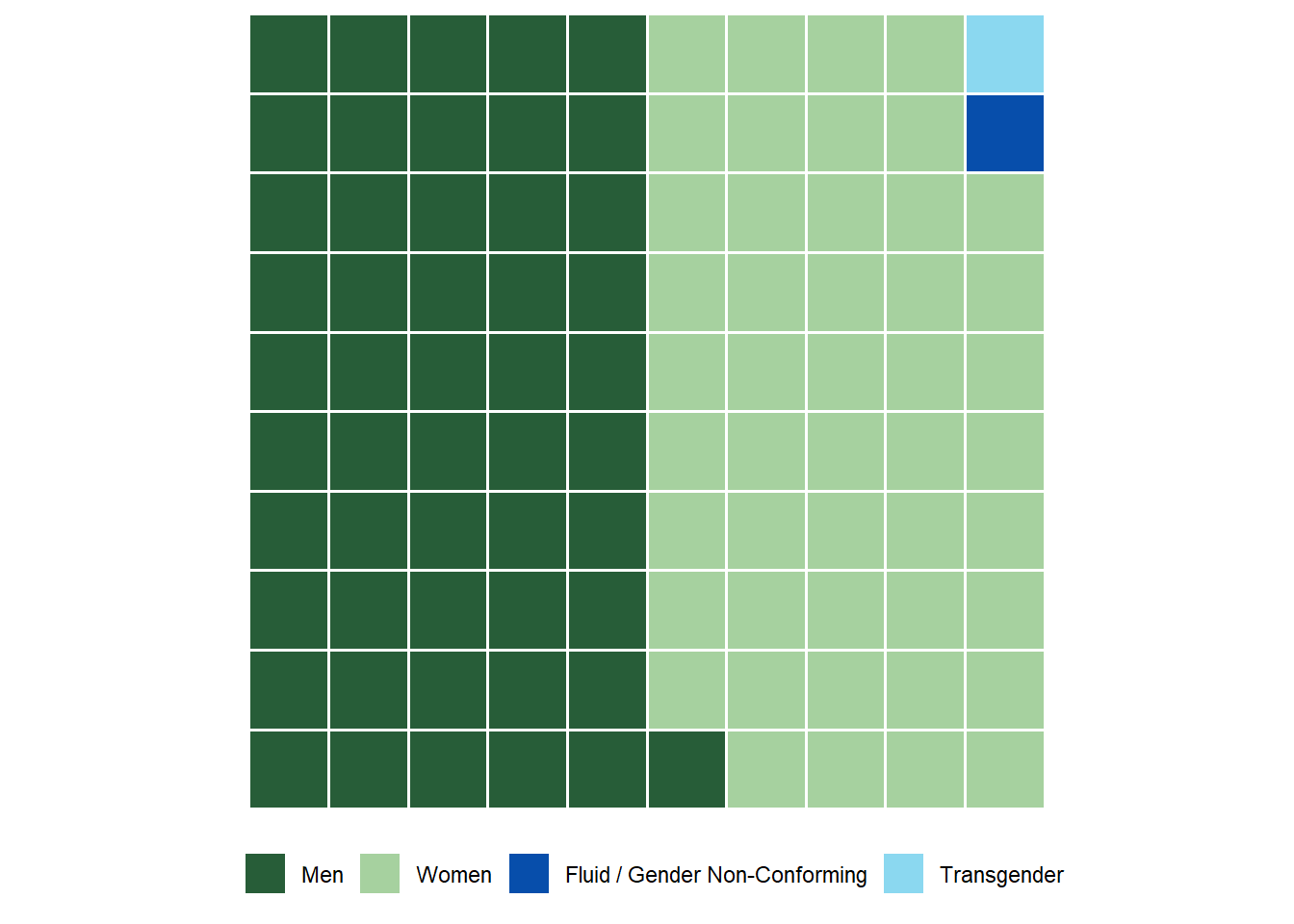
The data represents the gender distribution of the respondents. Among those surveyed, 50.8% identified as Men, 0.5% as Transgender, 46% as Women, and 1.3% as Fluid / Gender Non-Conforming.
Religious?
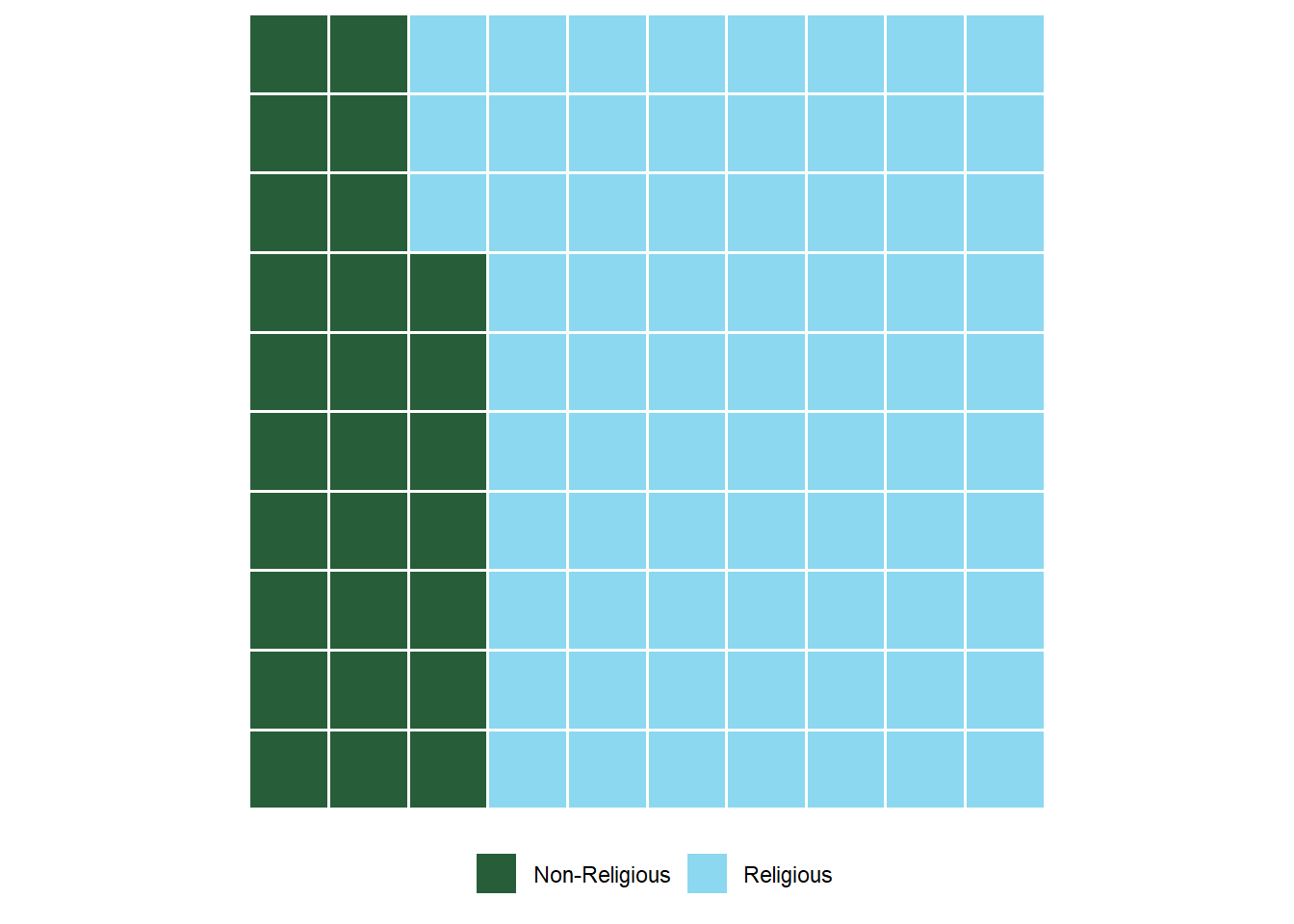
The data indicates the distribution of respondents based on their religious affiliations. Among those surveyed, approximately 27% identified as Non-Religious, while around 73% identified as Religious.
First Generation Student?
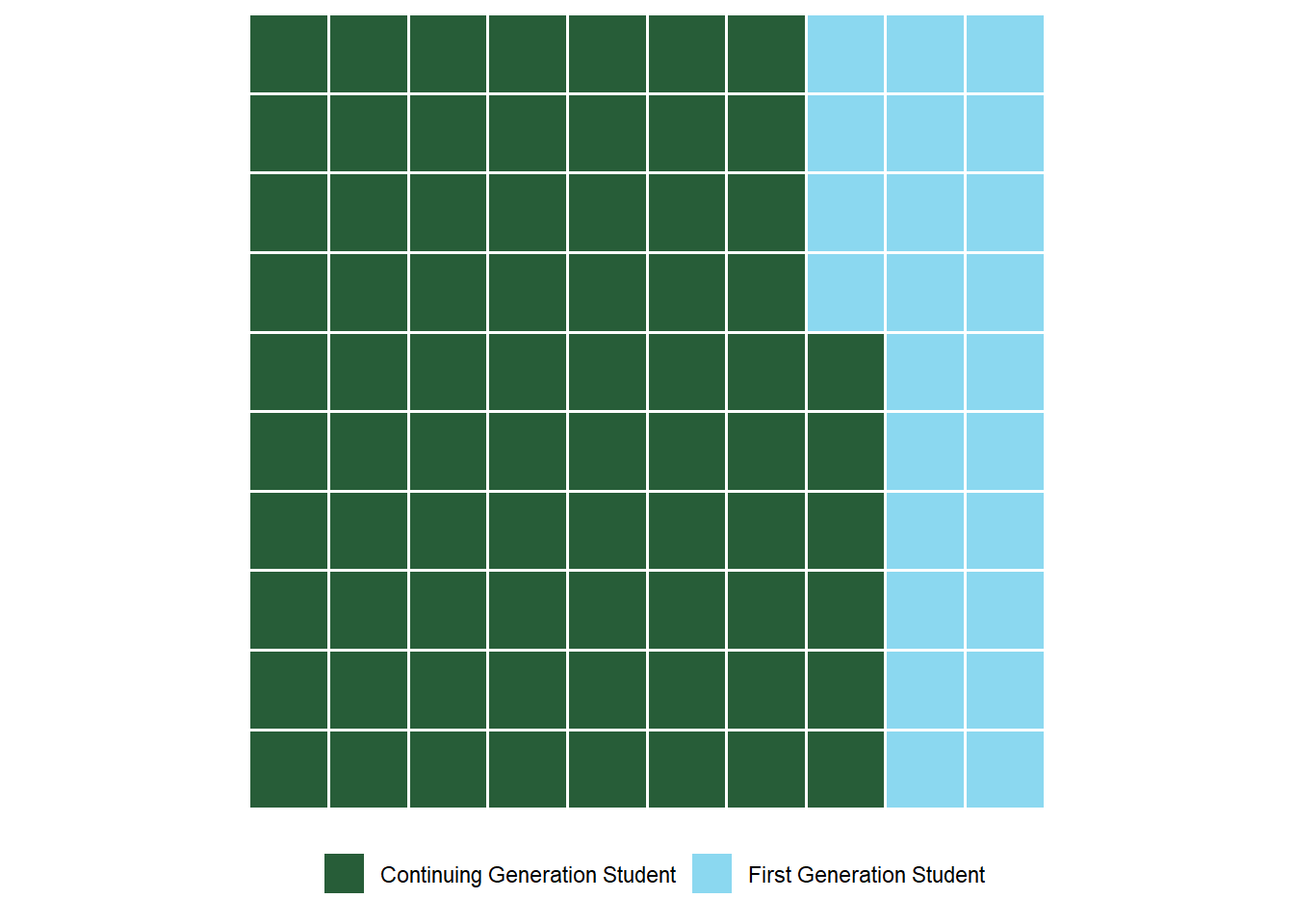
The data represents the distribution of students based on their generational status. Among those surveyed, approximately 76% identified as Continuing Generation Students (at least one parent attended college), while around 24% identified as First Generation Students (no parents attended college).
Medical Experience?
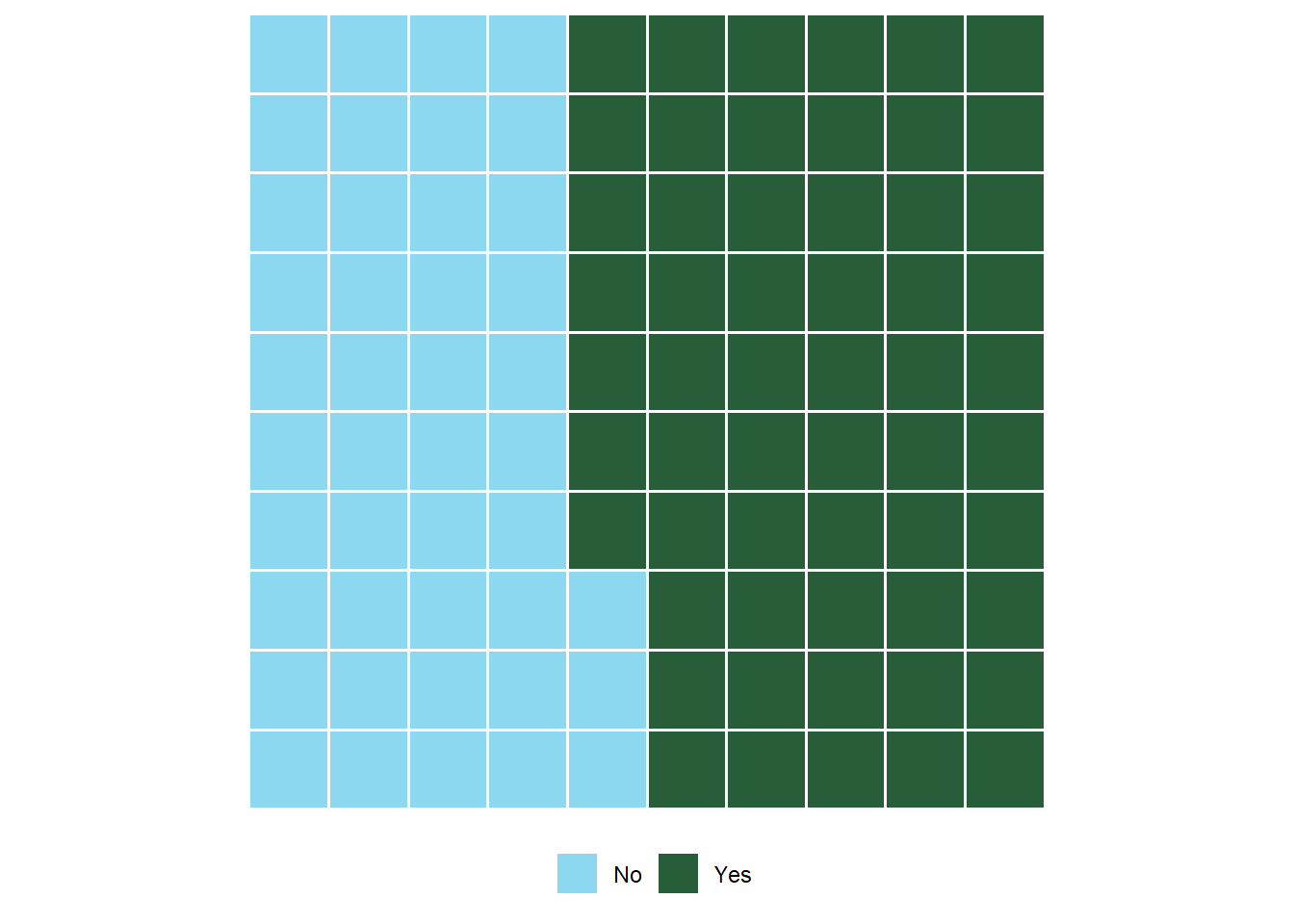
The data illustrates the percentage of those who identified to have had a medical experience. Among those surveyed, approximately 44% answered “No” while around 56% answered “Yes”.
Chronic Condition?
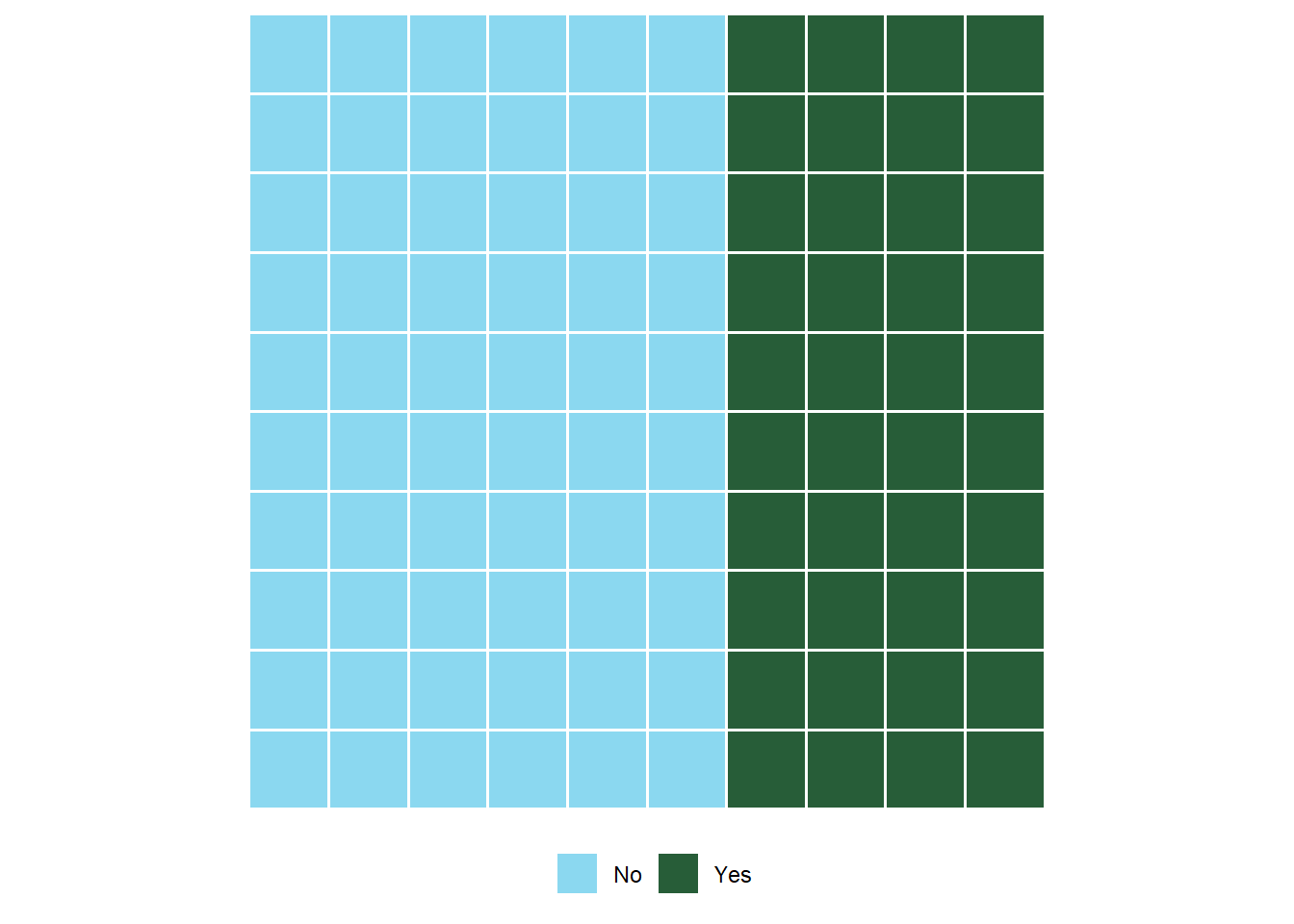
Of those who identified as had a medical experience, approximately 60% answered “No” while around 40% answered “Yes” to whether they have a chronic condition.
PEER Status & Medical Conditions
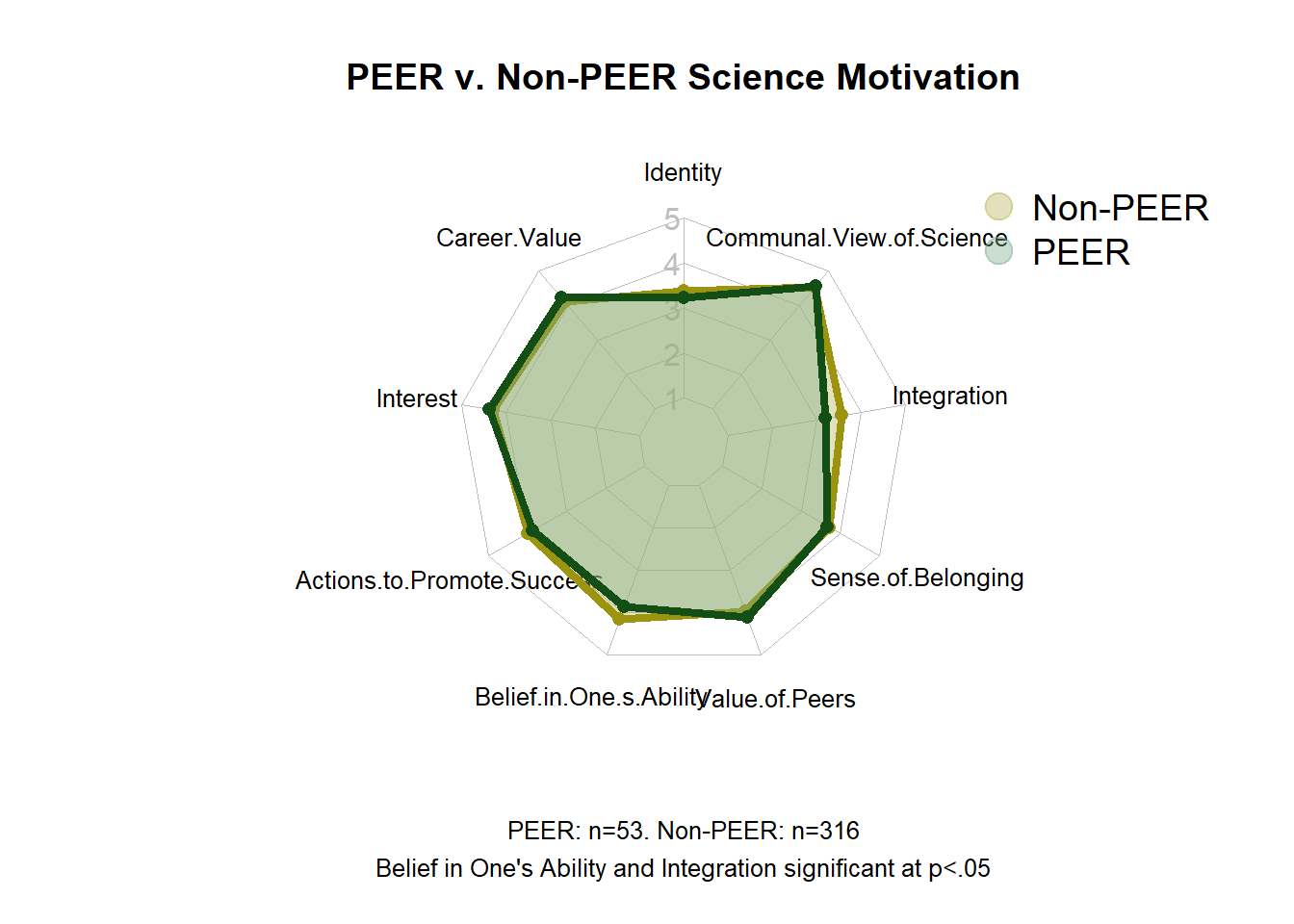
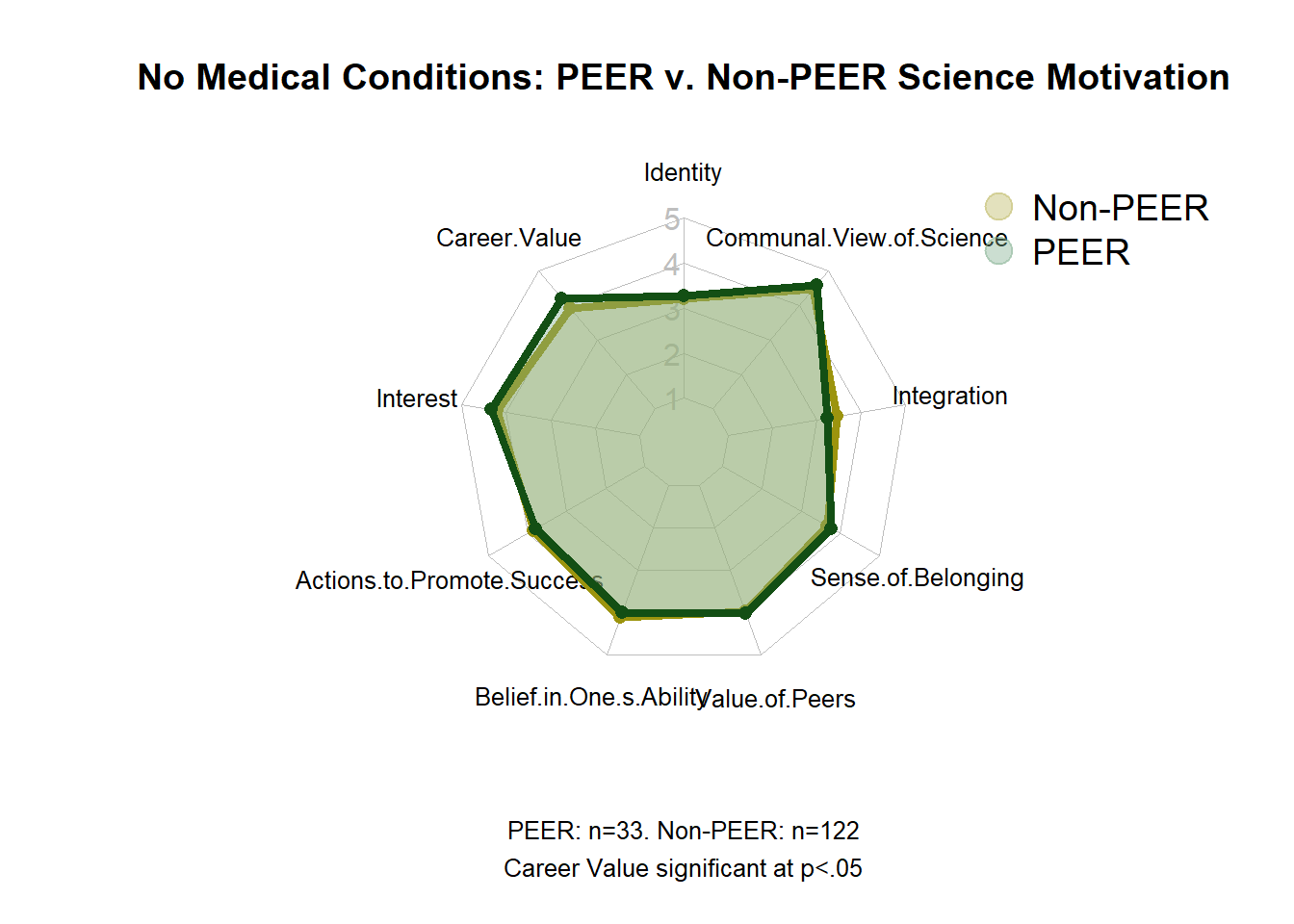
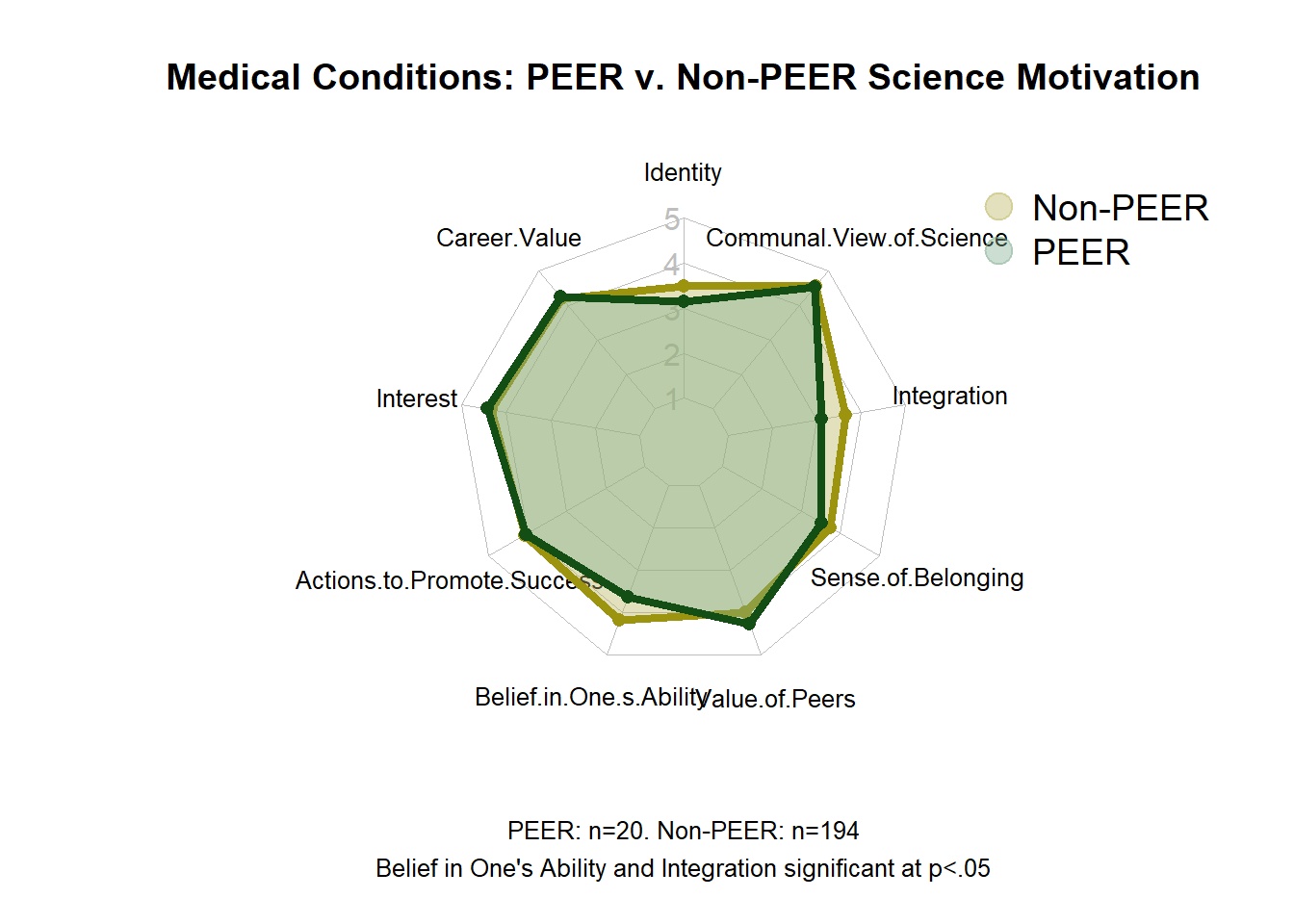
Although there was only a small percentage of students who identified themselves as part of the PEER group that had medical conditions, there were some significant differences between this group and those that were a part of the non-PEER group that had medical conditions. From the survey, students who were a part of the PEER group with medical conditions had significantly lower belief in their abilities in science as well as a significantly low view on their integration in science, compared to those who were a part of the non-PEER group with Medical Conditions.
Gender & Medical Conditions
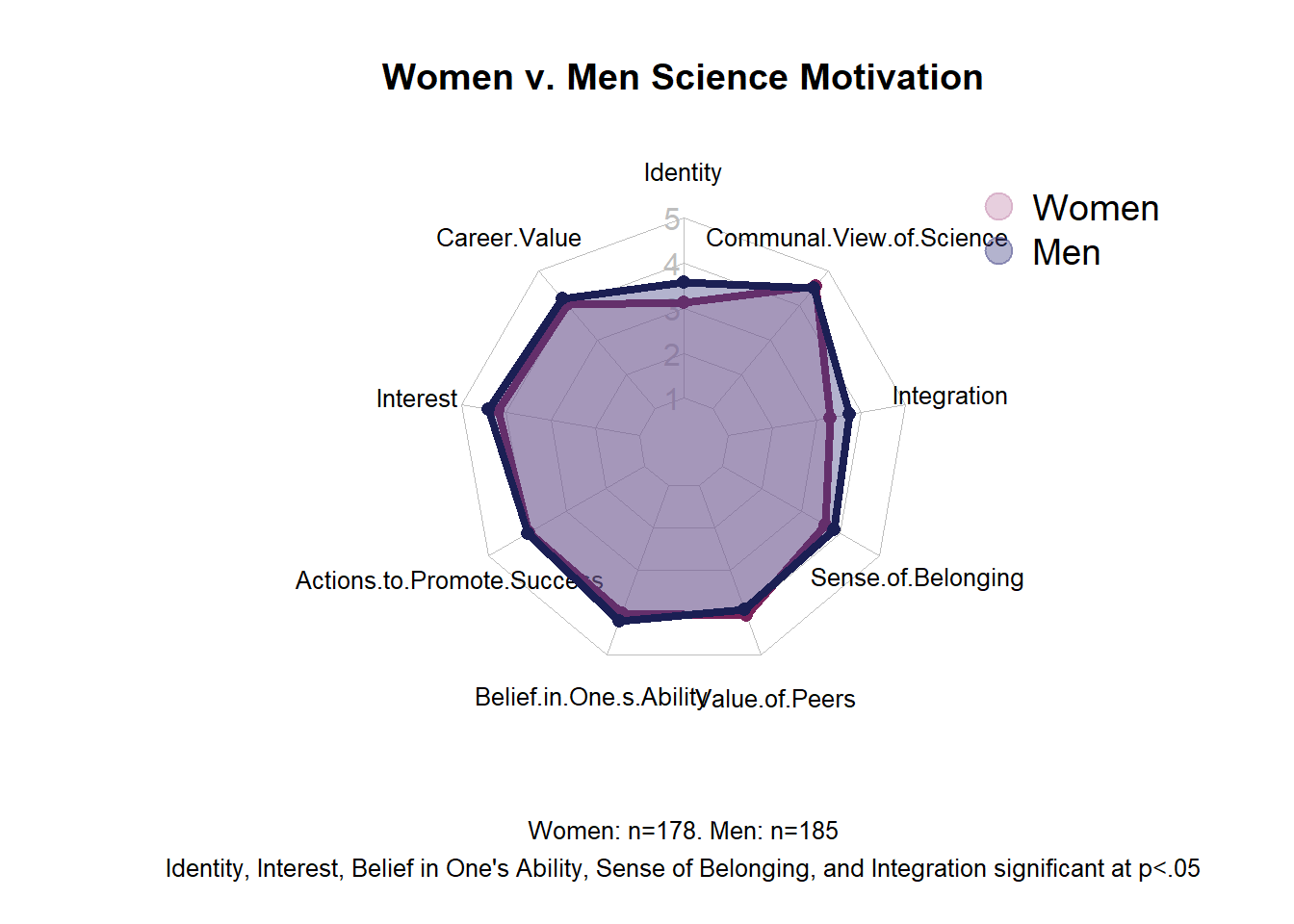
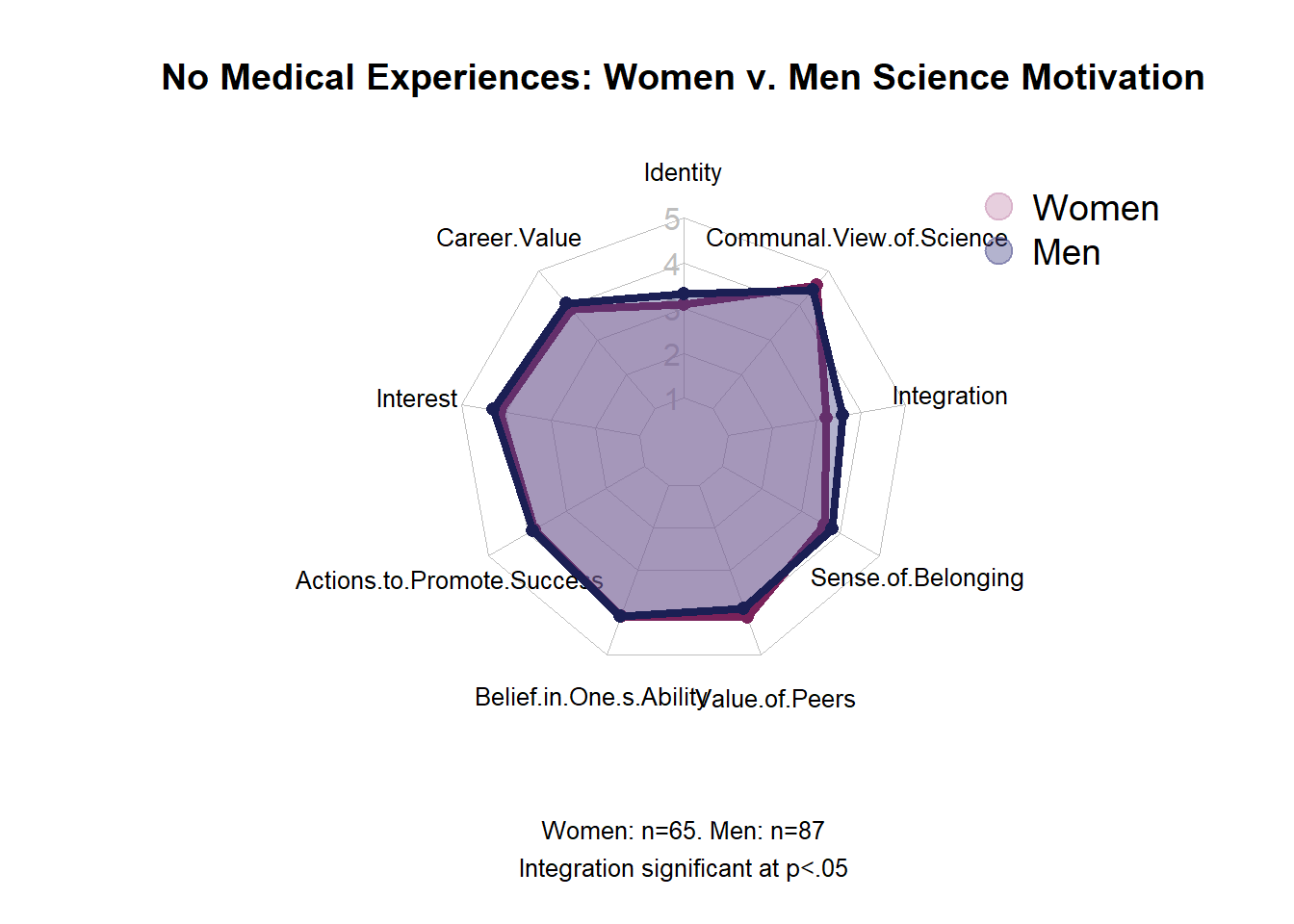
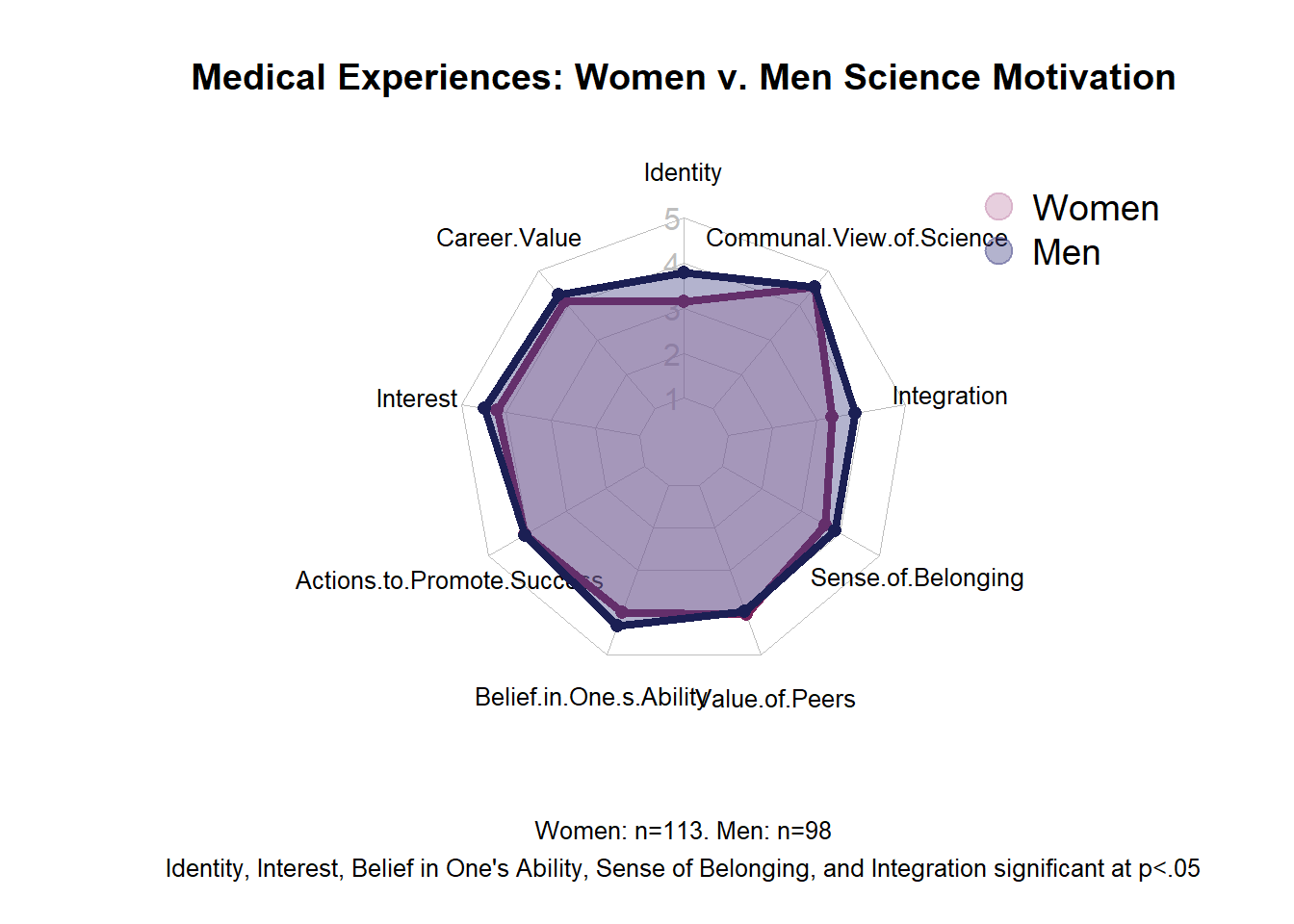
From the survey, we see that the majority of students who reported that they have had medical conditions are women. Out of those numbers, however, there are some significant differences between men and women. Women have significantly lower identity, interest, sense of belonging, and integration in science. They also have significantly lower belief in their ability to succeed in science compared to men.
Conclusion
Negative Effects
Unfortunately, our results are conducive to previous research on the matter of PEER groups and women in science. It is important to note that there are many significant differences in both groups with respect to the majority of the demographics (Men and non-PEER) in our survey. There could be some important, possible correlations to these significant values amongst women as many of them have had medical conditions. This could indicate that their time spent in class is limited and their ability to be integrated in their science classes is diminished.
Positive Effects
There are many positives that came from these results. While our sample size of PEERs that had medical conditions wasn’t very large, there was no significant difference in the interest, career value, actions to promote success, and sense of belonging in science with that group compared to the non-PEERs of our survey. Amongst the women who have medical conditions, there was no significant difference in career value and actions to promote success compared to men who have medical conditions. Both career value and actions to promote success amongst all groups are similar, meaning that there is a greater tendency to focus on one’s career and the impact that this career will have in promoting success to the community within science.
Next Steps
For future advancement, instructors should be more considerate of those with medical conditions, especially amongst those who identify in the women or PEER groups. These groups can greatly influence the science community as a whole and have just as much tendency to take necessary actions that can
promote success in science as any other group of people. If instructors are more purposeful about their inclusion with these groups, specifically in science, but in every field, there are limitless possibilities of what good can come from these groups of future scientists.